


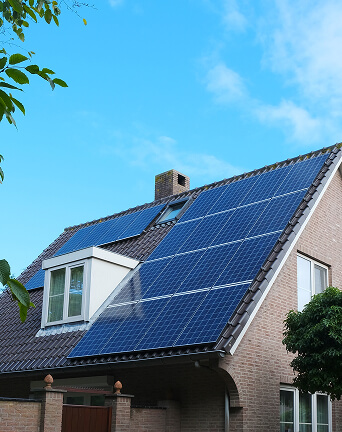
The Professional Blueprint for Renewable Microgrids: Choosing a Certified Solar Installer
The global transition to renewable energy networks has accelerated rapidly as both homeowners and commercial enterprises look to achieve definitive insulation against soaring electrical utility tariffs and grid instabilities. When auditing your energy options and searching for a qualified solar installer, the selection framework requires more than picking a general electrical contractor. It demands a technical vetting of structural engineering prowess, regional microclimate balance designs, and rapid post-installation maintenance capabilities.
Partnering with a certified clean energy developer guarantees that your system balance layout is engineered specifically for your geographic coordinates. Renewable arrays face explicit localized challenges, ranging from high ambient heat-induced voltage drop-offs to intense humidity strains on wiring infrastructure. Selecting a professional specialist ensures you receive an exhaustive on-site evaluation—including physical roof deck structural loading diagnostics and precise shading analysis—to design an asset that delivers maximum efficiency across its multi-decade operational lifespan. Solar Installer
🏗️ Technical Site Assessments: Structural Load Capacity and Shading Controls
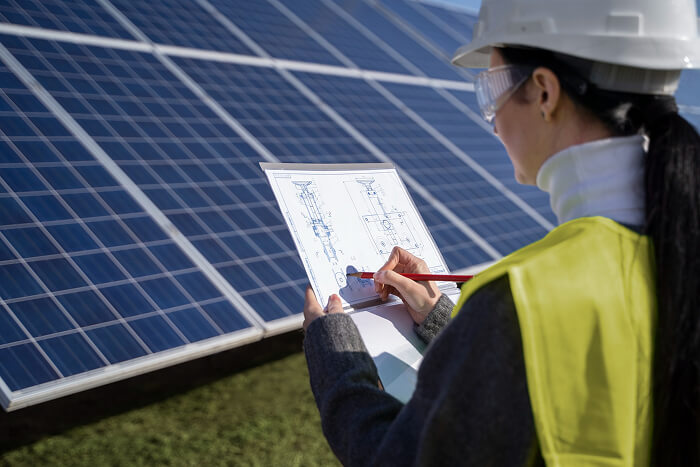
A high-performance photovoltaic (PV) system is completely dependent on precise structural integration. Standard out-of-the-box system packages sourced from unverified providers often underproduce electricity because they fail to calculate regional shading and building orientations. A qualified solar installer uses advanced digital modeling software to map out nearby structural blockages, mature trees, and roof pitches to optimize your generation footprint.
                      LOCAL SITE ENGINEERING PIPELINE
+-------------------------------------------------------------------------+

| [PHYSICAL EVALUATION] ---> [LI-DAR SHADING ASSESSMENT]                   |
|                                       │                                 |
| [LOCAL UTILITY APPROVAL] <--- [STRUCTURAL DECK AUDITING] <--------------┘
+-------------------------------------------------------------------------+
During an initial on-site technical inspection, certified solar system designers evaluate the physical condition of your rafters and roofing material to compute its absolute weight bearing capacity. On residential rooftops, aluminum rails and high-wind-rated mounting standoffs are bolted directly into the structural framework using advanced flashing plates to safeguard waterproofing warranties. This custom design protects your roof structure from high-velocity wind uplift pressures while ensuring the monocrystalline cell layers sit at the optimal tilt angle for maximum seasonal daylight capture.Solar Installer
⚡ Component Sourcing Architecture: Balances in High-Yield Hardware
System longevity depends entirely on the high-purity raw materials and robust balance-of-system hardware selections deployed by your installation technicians. Sourcing your components through a premier developer ensures your electrical infrastructure uses heavy-duty elements engineered to minimize thermal resistance and combat atmospheric degradation. Solar Installer
                        HIGH-UTILITY HARDWARE FLOW
                                    │
         ┌──────────────────────────┼──────────────────────────┐
         ▼                          ▼                          ▼
 [TIER-1 PV MONO CELLS]    [SMART MICROINVERTERS]     [OUTDOOR COMBINER BOXES]
 • Peak silicon purity     • Eliminates single faults • Multi-string protection
 • Steady low-light output • Converts stable AC power • Sealed environmental armor
Premier teams reject lower-grade components, choosing instead Tier-1 monocrystalline panels that deliver high conversion ratios even during periods of low sunlight or intense atmospheric cloud cover. To safely handle internal current generation, field wiring paths are routed through marine-grade, weather-sealed combiner boxes outfitted with localized lightning surge protectors and integrated direct current (DC) fuses. By combining these protective layers with advanced smart inverters or multi-stage charge controllers, the system converts raw energy into steady alternating current (AC), shielding delicate building appliances from phase imbalances and voltage spikes. Solar Installer
For certified engineering and resilient system options optimized for tropical microclimates, explore custom energy design services at Evergreen Cameroon.
🔋 Solar Energy Storage Systems: Securing Off-Grid Independence
For properties situated in regions prone to constant utility grid dropouts, rolling blackouts, or volatile peak-hour shortages, transitioning to solar requires a robust off-grid backup strategy. Integrating automated solar energy storage systems with your rooftop array allows you to store excess daylight generation for clean discharge during nighttime hours. Solar Installer
                    AUTOMATED MICROGRID MANAGEMENT
                                  │
       ┌──────────────────────────┴──────────────────────────┐
       ▼                                                     ▼
 [GRID DISCONNECT PROTOCOL]                            [LOAD RESTORATION]
 • Senses utility line dropouts within milliseconds    • Discharges battery banks safely
 • Isolates site circuit to prevent backfeeding        • Retains power to critical appliances
Standard grid-tied setups automatically shut down during utility failures to protect grid technicians from dangerous line backfeeding. However, by configuring your energy bank with an isolated hybrid inverter featuring built-in safety controls, your property transforms into a self-sustaining microgrid. The moment the utility line drops, the smart controller disconnects the site circuit from the grid within milliseconds, seamlessly routing clean backup electricity from your modular storage banks to sustain critical facility lines, refrigeration, agricultural water pumps, and local cooling appliances. Solar Installer
📋 Technical Structural and Electrical Performance Matrix
To analyze how a certified, high-yield regional energy installation compares against a basic unmonitored alternative across critical performance boundaries, review the comparative matrix below.
| Engineering Design Parameter | Certified Regional Installation Setup | Standard Mass-Market Alternative |
|---|---|---|
| Photovoltaic Cell Class | Tier-1 Monocrystalline (High Purity) | Lower-Grade Polycrystalline Layers |
| Electrical Balance Housing | Weather-Sealed Multi-String Combiner Boxes | Standard Indoor Junction Enclosures |
| Rooftop Structural Layout | Rafter-Anchored Heavy Standoffs with Flashing | Non-Flashed Clamps / Weighted Ties |
| Inverter Infrastructure | Three-Phase / Power Frequency Smart Inverters | Traditional Low-Efficiency String Inverters |
| Energy Management Mode | Hybrid Storage with Peak-Shaving Capability | Basic Grid-Tied Direct Feed Only |
🔒 Navigating Grid Interconnections and Permitting Compliance
The final administrative milestone of an infrastructure upgrade requires navigating complex municipal permissions, zoning restrictions, and strict utility board interconnection parameters. A trusted, certified solar installer handles this integrated deployment pipeline on your behalf, eliminating processing friction and fast-tracking your system’s path to net-metering activation.
Professional technicians draft complete single-line electrical schematics, roof framing diagrams, and system balance spec sheets prior to shipping any hardware components. This detailed documentation folder is filed directly with regional compliance officers to guarantee total alignment with national electrical codes. Once the physical hardware is activated, the installation team works with the utility operator to initialize a bi-directional tracking configuration, allowing your home or enterprise to feed back excess solar generation into the grid for utility bill credits, maximizing your return on investment. Solar Installer
Keep precise track of your monthly consumption patterns, evaluate your structural roof decking integrity before installation, and partner exclusively with local clean energy developers to secure your sustainable power transition safely.
Official Regulatory and Compliance Disclaimer:Photovoltaic structural configurations, utility interconnection policies, and renewable energy tax incentives vary by region and are subject to legislative adjustments. Always cross-reference your specific facility load metrics, existing electrical panel amp capacities, and structural building limitations with a certified renewable energy developer or structural engineer prior to finalizing hardware procurement or executing property modifications.